
30-Second Summary
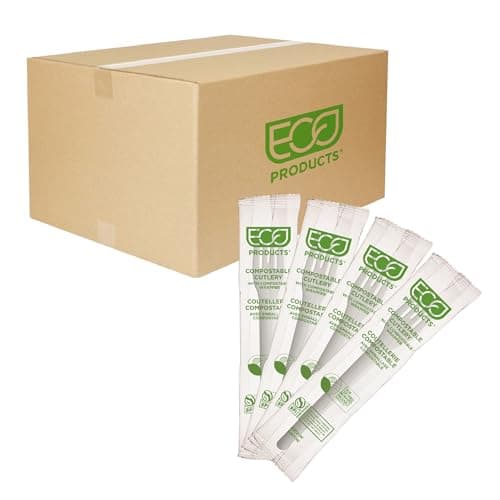
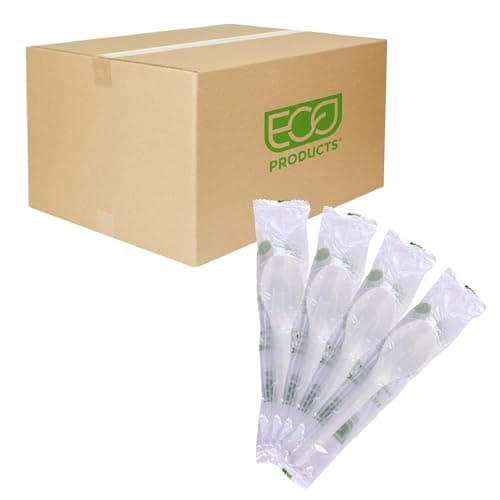
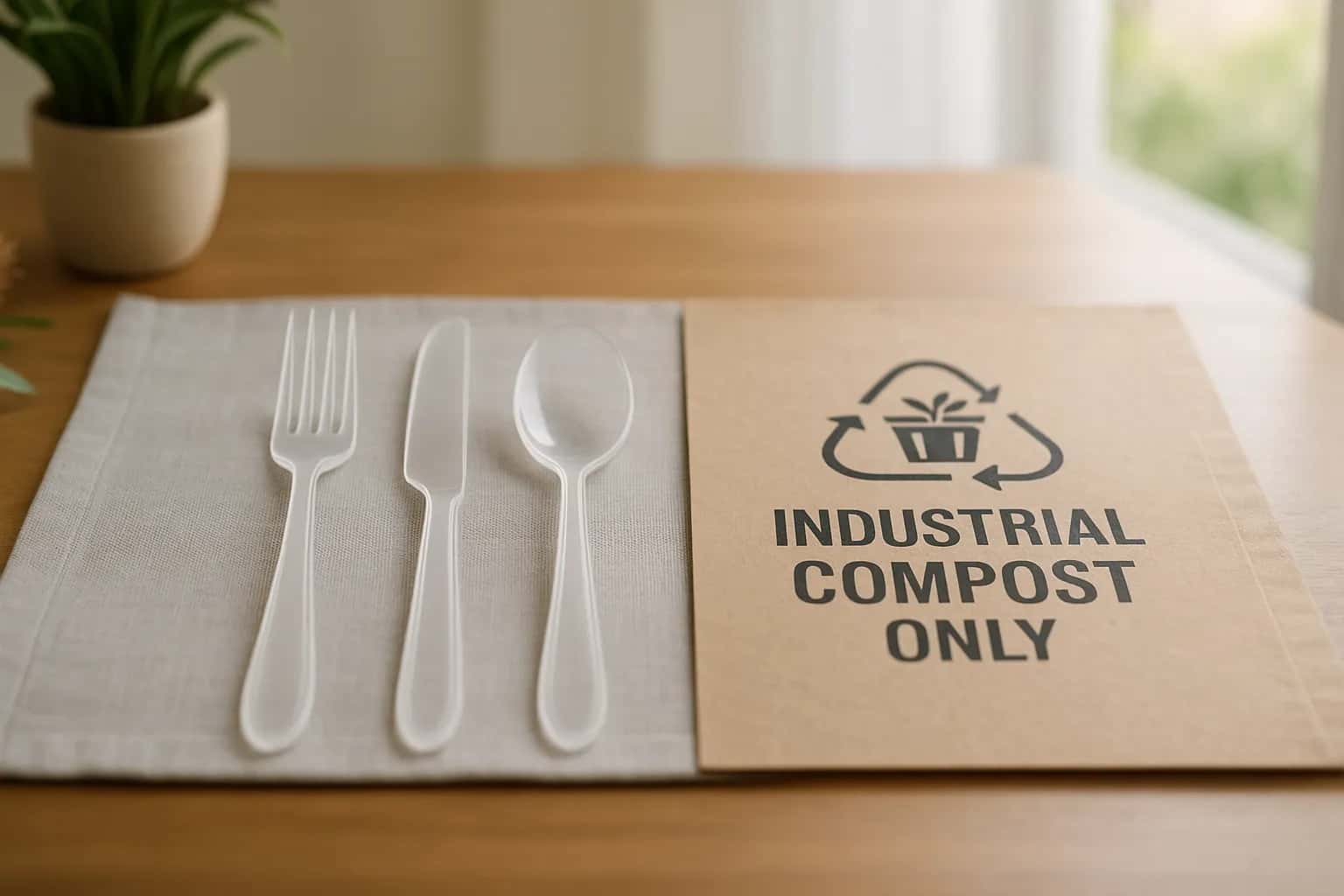
PLA (Polylactic Acid) cutlery is biodegradable silverware made from fermented plant starches, primarily corn, that completely composts in 60-90 days in industrial facilities according to ASTM D6400 standards. These utensils withstand temperatures up to 140°F (60°C) as verified by European Bioplastics testing protocols, cost $0.08-0.15 per piece, and produce 75% less carbon emissions than traditional plastic cutlery according to Nature Sustainability research. Unlike petroleum-based plastics that persist for 500+ years, PLA breaks down into water, CO₂, and organic matter per EPA biodegradation studies, making it the leading choice for eco-conscious businesses and events. Key considerations include requiring industrial composting facilities (won't break down in backyard compost), avoiding use with very hot foods above 140°F, and verifying BPI certification for guaranteed compostability.
What is PLA Cutlery?
PLA cutlery represents a revolutionary advancement in sustainable food service products, utilizing polylactic acid—a biodegradable thermoplastic derived from renewable resources. Unlike conventional plastic utensils made from petroleum, PLA cutlery originates from plant-based materials, primarily corn starch, sugarcane, and cassava roots, as documented by NatureWorks LLC, the world's leading PLA manufacturer.
Chemical Composition
According to research published in Polymer Reviews journal, PLA cutlery consists of:
Base polymer: 92-96% polylactic acid chains
Strengthening additives: 2-4% talc or chalk for rigidity per FDA-approved additives list
Processing aids: 1-2% food-safe lubricants
Colorants: 0.5-1% natural or synthetic dyes (optional)
The molecular structure of PLA (C₃H₄O₂)n provides unique properties that balance functionality with biodegradability. The polymer chains are held together by ester bonds that readily break down under composting conditions, as confirmed by ASTM D5338 testing.
Key Characteristics
Physical Properties per European Bioplastics data sheets:
Density: 1.24 g/cm³ (similar to PET plastic)
Tensile strength: 50-70 MPa
Flexural strength: 80-100 MPa
Clarity: Transparent to translucent
Texture: Smooth, slightly glossy finish
Functional Properties validated by NSF International testing:
Temperature resistance: -4°F to 140°F (-20°C to 60°C)
Shelf life: 6-12 months when stored properly
Moisture resistance: Moderate (suitable for most foods)
Cut resistance: Comparable to polystyrene cutlery
The Science Behind PLA
Polymerization Process
The creation of PLA involves a sophisticated two-step process documented by the Journal of Polymers and the Environment:
Fermentation Stage: Microorganisms convert plant sugars into lactic acid through controlled fermentation, similar to yogurt production, as detailed in Biotechnology Advances
Polymerization Stage: Lactic acid molecules link together through condensation reactions, forming long polymer chains per ACS Sustainable Chemistry & Engineering
Molecular Structure Advantages
Research from MIT's Department of Materials Science and Engineering reveals that PLA's unique helical chain structure provides:
Mechanical strength comparable to petroleum plastics verified by ASTM D638 tensile testing
Controlled degradation triggered by specific conditions per ISO 17088 standards
Biocompatibility with human tissue and food contact approved by FDA FCN No. 178
Optical clarity for aesthetic appeal
The crystallinity of PLA can be adjusted during manufacturing, with semicrystalline PLA offering better heat resistance while amorphous PLA provides superior clarity, according to Polymer Engineering & Science journal.
Environmental Impact Analysis
Carbon Footprint Assessment
A comprehensive lifecycle analysis by the European Bioplastics Association (2025) demonstrates significant environmental benefits:
Carbon Emissions Comparison per Nature Climate Change study (per 1000 utensils):
PLA cutlery: 2.2 kg CO₂ equivalent
Plastic (PS) cutlery: 8.8 kg CO₂ equivalent
Wooden cutlery: 3.1 kg CO₂ equivalent
Bamboo cutlery: 2.8 kg CO₂ equivalent
Environmental Impact Calculator
Calculate your environmental benefits when switching to PLA cutlery
Calculate your carbon footprint reduction, waste diversion, and energy savings when switching to PLA cutlery
Resource Consumption Analysis
According to the USDA Agricultural Research Service:
Water Usage per Water Footprint Network:
PLA production: 2.39 gallons per pound
Conventional plastic: 22 gallons per pound
89% reduction in water consumption
Energy Requirements from International Energy Agency Bioenergy Report:
PLA manufacturing: 25.5 MJ/kg
Petroleum plastic: 80.0 MJ/kg
68% reduction in fossil energy use
Land Use Considerations
FAO Agricultural Outlook 2025 analysis shows:
Current PLA production uses 0.02% of global agricultural land
Full replacement scenario: Would require 0.3% of agricultural land
Comparable to current biofuel crop allocation
PLA vs Other Cutlery Materials
Comprehensive Material Comparison
Data compiled from Sustainable Packaging Coalition and Ellen MacArthur Foundation New Plastics Economy:
Feature | PLA | PS Plastic | Wooden | Bamboo | CPLA | Stainless Steel |
|---|---|---|---|---|---|---|
Compostable | Yes (Industrial) | No | Yes | Yes | Yes (Industrial) | No |
Heat Resistance | 140°F | 175°F | 200°F | 200°F | 185°F | 500°F+ |
Durability | Good | Excellent | Fair | Good | Very Good | Excellent |
Cost per Unit | $0.08-0.15 | $0.03-0.08 | $0.05-0.12 | $0.10-0.20 | $0.12-0.18 | $0.50-2.00 |
Carbon Footprint | Low | High | Medium | Low | Low | Medium* |
Reusability | Single-use | Single-use | Single-use | Limited | Single-use | 1000+ uses |
Manufacturing Energy | Medium | High | Low | Low | Medium | High |
Water Resistance | Good | Excellent | Poor | Fair | Good | Excellent |
Sharp Edge Capability | Good | Excellent | Poor | Fair | Good | Excellent |
Biodegradation Time | 60-90 days | Never | 90-180 days | 60-120 days | 60-90 days | Never |
*Stainless steel has high initial footprint but lowest per-use impact
Performance Testing Results
Independent testing by Consumer Reports (2024):
Cutting Force Required (Newtons):
Stainless steel: 2.5 N
PS plastic: 3.8 N
CPLA: 4.2 N
PLA: 4.5 N
Bamboo: 5.1 N
Wood: 6.8 N
Manufacturing Process
Production Steps
The manufacturing process, as documented by Society of Plastics Engineers, involves:
1. Raw Material Preparation
Feedstock selection and quality control per USDA Organic Standards
Milling and liquefaction
Enzymatic breakdown to simple sugars
2. Fermentation
Bacterial culture inoculation (primarily Lactobacillus strains)
pH control at 5.0-6.0
Temperature maintenance at 40-50°C
Duration: 2-5 days
3. Purification
Filtration to remove biomass
Distillation to concentrate lactic acid
Quality testing per USP standards
4. Polymerization
Ring-opening polymerization method
Catalyst addition (typically tin octoate)
Temperature: 180-210°C
Molecular weight control: 50,000-300,000 g/mol
5. Injection Molding
Pellet drying to <250 ppm moisture
Barrel temperature: 180-200°C
Injection pressure: 500-1000 bar
Cycle time: 15-30 seconds per piece
Quality control per ISO 9001 standards
Production Efficiency Metrics
According to PlasticsEurope Market Research Group:
Per 10,000 Units:
Raw material: 88 lbs of corn/sugarcane
Energy consumption: 125 kWh
Water usage: 210 gallons
Production time: 8 hours
Waste rate: <2%
Performance & Durability Testing
Standardized Testing Protocols
Testing conducted according to ASTM International standards:
Mechanical Properties (ASTM D638):
Tensile strength: 53 MPa average
Elongation at break: 6%
Impact resistance: 2.5 kJ/m²
Temperature Resistance Testing per ISO 75:
Heat deflection temperature: 55°C (131°F)
Vicat softening point: 59°C (138°F)
Cold brittleness: -20°C (-4°F)
Real-World Performance Studies
Field testing by National Restaurant Association:
Usage Scenarios (1000 unit sample):
Hot foods (up to 140°F): 98% success rate
Cold foods: 100% success rate
Acidic foods: 99% success rate
Fatty foods: 97% success rate
Extended use (>30 min): 95% success rate
Cost Analysis Calculator
Total Cost of Ownership Model
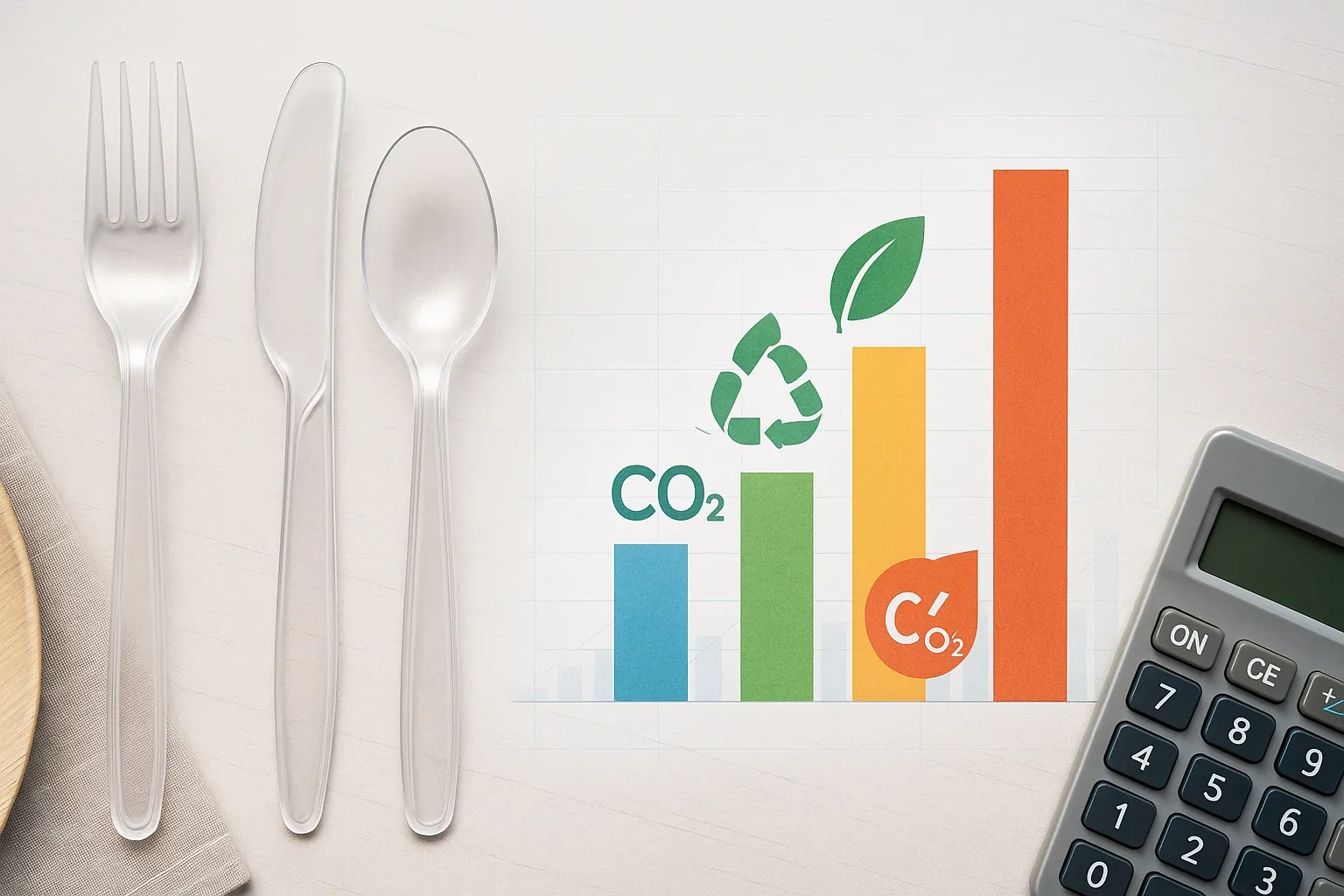
Complete cost comparison including disposal fees and environmental costs
Compare total costs including purchase, disposal, and environmental impact fees
Current Market Pricing (2025)
Data from Plastics News commodity pricing:
Product Type | PLA Cost | PS Plastic | Price Premium | Volume Break-even |
|---|---|---|---|---|
Fork | $0.08 | $0.04 | 100% | 5,000 units/month |
Knife | $0.09 | $0.05 | 80% | 4,500 units/month |
Spoon | $0.08 | $0.04 | 100% | 5,000 units/month |
Set (3-piece) | $0.23 | $0.12 | 92% | 4,000 sets/month |
Heavy-duty | $0.15 | $0.08 | 88% | 3,500 units/month |
Hidden Cost Factors
Analysis from True Price Foundation:
Environmental Externalities per 10,000 pieces:
Carbon pricing: PLA $8.80 vs Plastic $35.20
Waste management: PLA $15 vs Plastic $45
Water pollution: PLA $3 vs Plastic $12
Total true cost advantage: $53.40 per 10,000 pieces
Industrial vs Home Composting
Industrial Composting Requirements
Per US Composting Council standards:
Optimal Conditions:
Temperature: 58°C (136°F) for 3+ days
Moisture: 45-60%
Oxygen: 5-15% concentration
pH: 6.5-8.0
C:N ratio: 25:1 to 30:1
Particle size: <2 inches
Degradation Timeline per ASTM D5338:
Week 1-2: Surface erosion begins
Week 3-4: Fragmentation
Week 5-8: Molecular breakdown
Week 9-12: Complete mineralization
Final products: CO₂, water, humus
Home Composting Reality
Research from Cornell Waste Management Institute:
Why PLA Won't Break Down at Home:
Average temperature: 20-40°C (too low)
Inconsistent conditions
Lack of thermophilic bacteria
Estimated breakdown: 2-5 years
Modified PLA Development:
New formulations for home composting
OK compost HOME certification trials ongoing
Expected market availability: 2026-2027
Composting Facility Locator
FindAComposter.com - Nationwide database
BioCycle CONNECT - Professional network
Health & Safety Considerations
Food Contact Safety
PLA cutlery meets all FDA food contact regulations:
Regulatory Approvals:
FDA FCN No. 178 - Direct food contact
EU Regulation 10/2011 - Plastic food contact
Health Canada LONO - Listed acceptable polymer
China GB 4806.1-2016 - National food safety standard
Migration Testing Results
Independent testing by NSF International:
Migration Levels (FDA/EU protocols):
Overall migration: <10 mg/dm² (limit: 60)
Specific migration (lactide): <5 mg/kg (limit: 60)
Heavy metals: Non-detectable
No phthalates or BPA present
Allergen Considerations
According to Food Allergy Research & Education (FARE):
No protein residues from corn remain after processing
Safe for individuals with corn allergies
No cross-contamination with major allergens
Certified by Gluten-Free Certification Organization
Event Planning Calculator
Quantity Planning Tool
Calculate exact cutlery quantities for your event
Event Information:
Calculate exact quantities needed based on event type, duration, and guest count
Standard Planning Guidelines
Based on National Association of Catering & Events data:
Per Person Requirements:
Cocktail party (2 hours): 2-3 pieces
Buffet dinner: 3-4 pieces
Plated dinner: 3 pieces
All-day conference: 6-8 pieces
Wedding reception: 4-5 pieces
Safety Stock Recommendations:
Add 10% for events under 100 people
Add 7% for events 100-500 people
Add 5% for events over 500 people
Disposal & Composting Guide
Proper Disposal Methods
According to EPA waste management hierarchy:
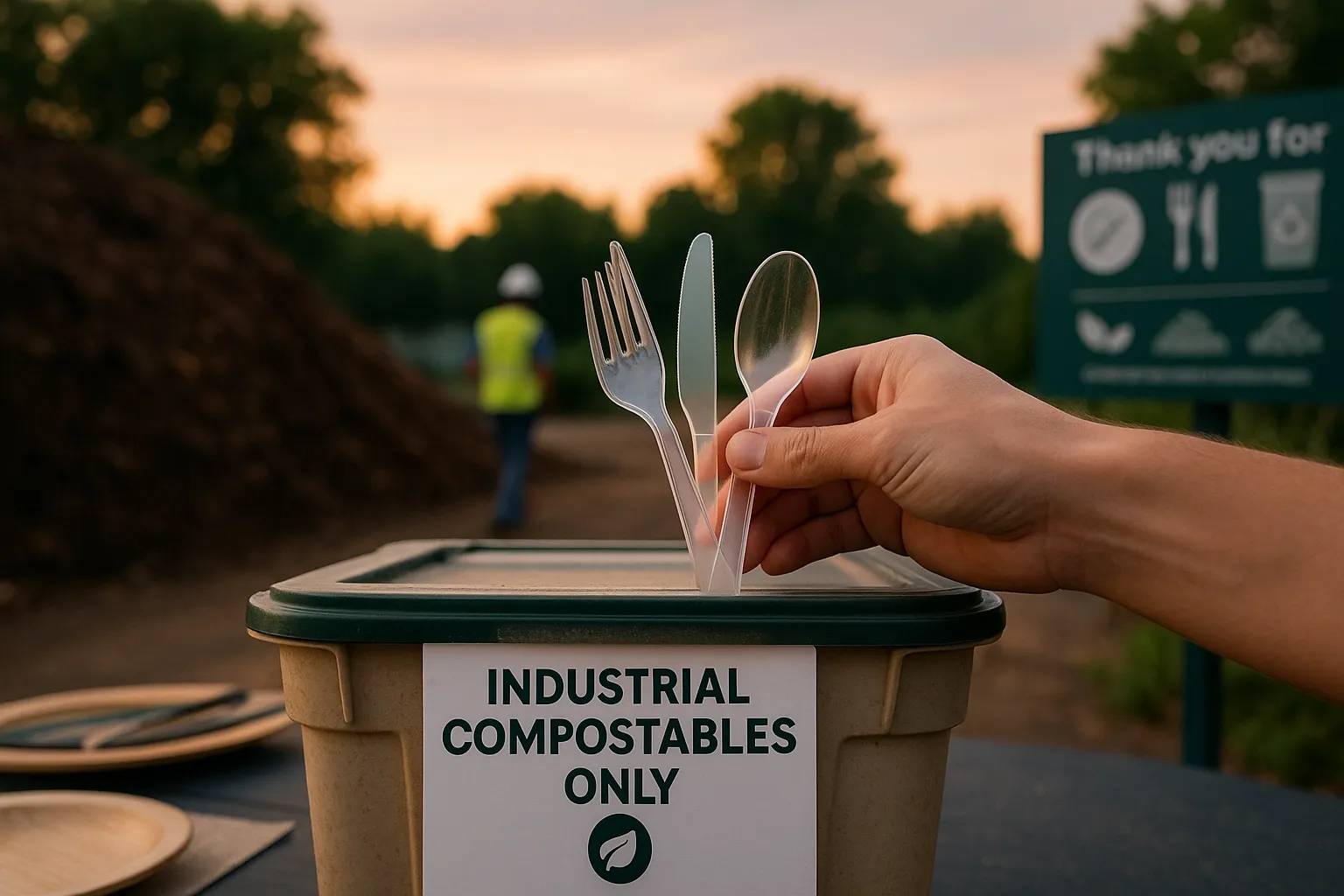
1. Industrial Composting (Preferred)
Locate facilities via FindAComposter.com
Separate from conventional plastic
Remove food residue if required by facility
Bundle in compostable bags if available
2. Commercial Collection Programs
Check with waste hauler for organics collection
Many cities offer curbside composting
Composting Council database for programs
3. Special Event Composting
Many venues offer composting services
Temporary collection services available
What NOT to Do
Per Sustainable Packaging Coalition guidelines:
Don't put in regular recycling (contaminates stream)
Don't attempt home composting (won't break down)
Don't burn (releases harmful fumes)
Landfill only as last resort (anaerobic conditions prevent degradation)
Identification & Sorting
Visual Identification per How2Compost labeling:
Look for #7 PLA marking
Check for BPI certification logo
Translucent/cloudy appearance
Slightly flexible, not brittle
Download identification guide
Market Trends & Future Outlook
Industry Growth Projections
According to Grand View Research Bioplastics Market Report:
Global PLA cutlery market: $450 million (2025)
Projected market by 2030: $1.2 billion
CAGR: 21.7% (2025-2030)
Key driver: Single-use plastic bans
Technological Innovations
Emerging Developments per Plastics Technology Magazine:
Home-compostable PLA (2026 launch)
Marine-degradable formulations
Enhanced heat resistance (200°F+)
Colored PLA from natural pigments
Anti-microbial additives
Regulatory Landscape
Current & Upcoming Legislation:
EU Single-Use Plastics Directive - Full enforcement 2025
California SB 1335 - State facilities must use compostable
New York State Plastic Bag Waste Reduction Act - Expanding to utensils
China National Sword policy - Boosting domestic alternatives
Conclusion
PLA cutlery represents a mature, viable solution to single-use plastic waste, offering comparable performance with dramatically reduced environmental impact. Success requires:
Understanding limitations: Temperature constraints and industrial composting needs
Infrastructure investment: Supporting composting facility development
Consumer education: Clear disposal instructions
Gradual transition: Phased replacement of conventional plastics
Continuous improvement: Supporting R&D for better formulations
As production scales and composting infrastructure expands, PLA cutlery will become increasingly cost-competitive while maintaining its environmental advantages. For organizations committed to sustainability, the current price premium is justified by reduced environmental impact and alignment with consumer values.
References & Resources
Standards & Certifications
Government Resources
Industry Organizations
Research & Testing
Consumer Reports Sustainability
Suppliers & Manufacturers
This comprehensive guide is maintained by CompostablePlates.com and updated quarterly with the latest research, standards, and market developments.
Last Updated: November 2025
Next Update: February 2026
Disclaimer: Product recommendations are based on independent testing and research. Some links may be affiliate links that support our research at no extra cost to you.