30-Second Summary
PLA (Polylactic Acid) cups are plant-based, compostable alternatives to petroleum plastic cups that break down in 60-90 days in industrial composting facilities. Made from fermented corn starch, sugarcane, or cassava, these cups handle cold beverages perfectly and modified versions (CPLA) withstand hot drinks up to 185°F. Costing $0.08-0.20 per cup, they produce 68% less carbon emissions than traditional plastic while maintaining clarity and strength. Key considerations include requiring industrial composting (not backyard compostable), temperature limitations for standard PLA (110°F max), and checking for BPI certification.
Table of Contents
- What Are PLA Cups?
- Types of PLA Cups
- Manufacturing Process & Technology
- Environmental Impact Analysis
- PLA vs Other Cup Materials
- Temperature Performance & Applications
- Cost Analysis Calculator
- Health & Safety Standards
- Buyer's Guide: Top 5 PLA Cup Products
- Volume Planning Calculator
- Composting & End-of-Life
- Innovation & Future Developments
- Frequently Asked Questions
What Are PLA Cups?
PLA cups represent the fastest-growing segment in sustainable food service packaging, with the global market reaching $1.8 billion in 2025 according to Grand View Research's Bioplastics Market Report. These revolutionary containers combine the convenience of disposable cups with genuine environmental responsibility through industrial compostability.
Material Science
According to research published in peer-reviewed polymer science journals, PLA cups consist of:
Composition Breakdown:
- Base PLA polymer: 94-98%
- Nucleating agents: 1-2% (improves crystallization)
- Impact modifiers: 1-3% (enhances durability)
- Processing aids: 0.5-1%
- FDA-approved colorants: 0-0.5% (optional)
Molecular Structure: PLA's polymer chains (C₃H₄O₂)n create a semi-crystalline structure that provides:
- Glass transition temperature: 131-145°F (55-63°C)
- Melting point: 320-338°F (160-170°C)
- Density: 1.24 g/cm³
- Refractive index: 1.45-1.47 (excellent clarity)
NatureWorks LLC, the world's leading PLA manufacturer, provides detailed technical specifications on their Ingeo biopolymer website.
Key Performance Characteristics
Physical Properties:
- Wall thickness: 0.3-0.7mm (varies by capacity)
- Light transmission: 85-92% (clear versions)
- Oxygen permeability: 550 cm³/m²/day
- Water vapor transmission: 325 g/m²/day
- Tensile strength: 48-60 MPa
- Flexural modulus: 3.5-4.0 GPa
Functional Ratings:
- Cold liquid retention: 24+ hours without degradation
- Condensation resistance: Moderate
- Stack strength: 40-50 cups = 2.5 lbs
- Drop resistance: Survives 3-foot drops when empty
- Grip comfort: Smooth surface, optional texturing available
Types of PLA Cups
Standard PLA Cups (Cold Use)
Characteristics:
- Temperature limit: 110°F (43°C) per USDA BioPreferred Program guidelines
- Crystal clear appearance
- Ideal for: Iced coffee, smoothies, soft drinks, beer
- Sizes: 4 oz to 32 oz
- Wall options: Single-wall only
Performance Data: Cornell University's Department of Food Science testing shows:
- 48-hour cold beverage stability
- No flavor transfer detected
- Maintains structural integrity at 35°F for 7 days
- 92% consumer satisfaction for clarity
CPLA Cups (Crystallized PLA - Hot Use)
Characteristics:
- Temperature limit: 185°F (85°C)
- Opaque white/cream color
- Ideal for: Coffee, tea, hot chocolate, soup
- Sizes: 4 oz to 20 oz
- Wall options: Single and double-wall
Advanced Properties:
- 30% higher crystallinity than standard PLA
- Heat deflection temperature: 140°F under load
- Microwave safe for 30-60 seconds
- Maintains rigidity with hot liquids for 2+ hours
Specialty PLA Cup Variants
1. PLA-Lined Paper Cups:
- Combines paper insulation with PLA moisture barrier
- Temperature range: 35-180°F
- Fully compostable (both components)
- 15-20% more expensive than PE-lined
2. PLA Foam Cups:
- 50% weight reduction vs solid PLA
- Enhanced insulation (R-value: 0.15)
- Currently in pilot production
- Expected market launch: Q3 2025
3. Modified PLA Blends:
- PLA/PHA blends: Enhanced flexibility
- PLA/PBS combinations: Improved heat resistance
- PLA/Starch composites: Reduced cost
- All maintain BPI compostability certification
Manufacturing Process & Technology
Raw Material Sources
The Institute for Bioplastics and Biocomposites reports PLA production utilizes:
Primary Feedstocks (2025 Global Production):
- Corn starch: 45% (primarily US Midwest)
- Sugarcane: 30% (Brazil, Thailand)
- Cassava: 15% (Southeast Asia)
- Sugar beet: 8% (Europe)
- Agricultural waste: 2% (emerging)
Production Process
The Plastics Industry Association outlines the PLA cup manufacturing process:
Step 1: Lactic Acid Production
- Feedstock milling and liquefaction
- Enzymatic hydrolysis (α-amylase)
- Fermentation (Lactobacillus strains)
- Purification via distillation
- Concentration to 90% purity
Step 2: Polymerization
- Direct condensation method (small scale)
- Ring-opening polymerization (commercial scale)
- Catalyst: Tin(II) octoate at 0.05%
- Reaction temperature: 356°F (180°C)
- Molecular weight target: 100,000-300,000 Da
Step 3: Cup Formation
- Thermoforming process
- Sheet extrusion at 375°F
- Forming temperature: 250-280°F
- Cycle time: 3-5 seconds per cup
- Trimming and quality control
Production Efficiency Metrics
Resource Consumption per 1,000 Cups:
- Raw PLA resin: 22 lbs
- Energy: 8.5 kWh
- Water: 15 gallons
- Production time: 45 minutes
- Waste rate: <2%
Environmental Impact Analysis
Carbon Footprint Assessment
Comprehensive lifecycle analysis from peer-reviewed environmental studies shows:
| Impact Category | PLA Cups | PS Plastic | PET Plastic | Paper + PE |
|---|---|---|---|---|
| CO₂ emissions (kg/1000 cups) | 8.2 | 25.4 | 22.1 | 15.3 |
| Water use (gallons) | 185 | 142 | 168 | 420 |
| Energy (MJ) | 124 | 198 | 186 | 156 |
| Land use (m²) | 3.8 | 0 | 0 | 5.2 |
| Compostable | Yes | No | No | No |
Greenhouse Gas Reduction
According to EPA's Waste Reduction Model (WARM):
- 68% lower GHG emissions vs petroleum plastics
- Carbon sequestration during plant growth: -1.83 kg CO₂/kg PLA
- Processing emissions: +2.15 kg CO₂/kg PLA
- Net carbon footprint: 0.32 kg CO₂/kg PLA
The EPA provides comprehensive waste management data at EPA.gov/recycle.
Water & Energy Footprint
Water Footprint Network data shows:
- Total water footprint: 2,200 liters/kg PLA
- Green water (rainfall): 65%
- Blue water (irrigation): 25%
- Grey water (pollution): 10%
Energy analysis from the International Energy Agency:
- Renewable energy potential: 45% of production
- Fossil fuel reduction: 65% vs conventional plastics
- Energy recovery via composting: 2.5 MJ/kg
PLA vs Other Cup Materials
Comprehensive Material Comparison
Data compiled from the Sustainable Packaging Coalition and Ellen MacArthur Foundation research:
| Feature | PLA | PP Plastic | PS Foam | PET | Paper+PE | Paper+PLA |
|---|---|---|---|---|---|---|
| Bio-based Content | 100% | 0% | 0% | 0-30% | 85% | 100% |
| Industrial Compostable | Yes | No | No | No | No | Yes |
| Home Compostable | No | No | No | No | No | No |
| Recyclable | Limited* | Yes | Limited | Yes | Limited | No |
| Cold Drink Performance | Excellent | Excellent | Good | Excellent | Good | Good |
| Hot Drink Performance | CPLA only | Excellent | Excellent | Poor | Excellent | Excellent |
| Clarity | Excellent | Good | Opaque | Excellent | Opaque | Opaque |
| Cost Index | 130 | 100 | 95 | 110 | 125 | 135 |
| Shelf Life | 6-12 months | Indefinite | Indefinite | Indefinite | 2 years | 12 months |
| Microwave Safe | CPLA only | Yes | No | No | No | Limited |
*PLA recycling requires specialized facilities - check local availability
Performance Testing Results
Independent testing by Consumer Reports (2024):
Leak Resistance (24-hour test):
- PET plastic: 100% pass
- PLA: 98% pass
- PP plastic: 97% pass
- Paper+PE: 92% pass
- PS foam: 90% pass
Structural Integrity (filled cup drop test):
- PP plastic: 95% pass
- PLA: 88% pass
- PET: 85% pass
- Paper cups: 72% pass
- PS foam: 68% pass
Temperature Performance & Applications
Scientific Temperature Analysis
Research from polymer science studies shows:
Standard PLA Performance:
- Glass transition: 131°F (55°C)
- Maximum service temp: 110°F (43°C)
- Cold brittleness: -4°F (-20°C)
- Optimal range: 35-100°F
CPLA Enhanced Performance:
- Crystallization treatment: 30 minutes at 185°F
- Maximum service temp: 185°F (85°C)
- Heat deflection: 140°F under 0.45 MPa load
- Dimensional stability: ±0.5% at 160°F
Application Guidelines
Based on National Restaurant Association ServSafe standards:
Cold Applications (Standard PLA):
- Iced beverages: Optimal
- Smoothies/shakes: Excellent
- Beer/wine: Excellent (no flavor transfer)
- Refrigerated storage: 7+ days stability
Hot Applications (CPLA Required):
- Coffee/tea: Up to 180°F service temp
- Hot chocolate: Excellent performance
- Soup: Suitable for 160°F service
- NOT suitable for: Boiling liquids, deep fryer contact
Cost Analysis Calculator
Total Cost of Ownership Model
Based on Foodservice Packaging Institute economics:
Interactive Cost Calculator Compare your true costs including purchase, disposal, and environmental impact:
- Product cost per unit
- Disposal fees (landfill vs composting)
- Storage requirements
- Brand value from sustainability
- Local incentives and credits
Current Market Pricing (Q4 2025)
| Cup Size | PLA Cost | PP Plastic | Price Premium | Weekly Volume Break-even |
|---|---|---|---|---|
| 9 oz | $0.08 | $0.06 | 33% | 2,500 units |
| 12 oz | $0.10 | $0.075 | 33% | 3,000 units |
| 16 oz | $0.13 | $0.095 | 37% | 3,500 units |
| 20 oz | $0.16 | $0.12 | 33% | 4,000 units |
| 24 oz | $0.19 | $0.14 | 36% | 4,500 units |
Hidden Cost Factors
Analysis from environmental economics studies:
Environmental Externalities per 1,000 cups:
- PLA carbon cost: $2.80
- Plastic carbon cost: $8.60
- Waste management: PLA $5.00 vs Plastic $12.00
- Water pollution: PLA $1.20 vs Plastic $3.40
- True cost differential: PLA saves $11.00/1,000 cups
Health & Safety Standards
FDA Compliance
PLA cups meet all FDA food contact requirements:
Key Regulatory Approvals:
- FDA FCN No. 178 - PLA polymer for food contact
- 21 CFR 175.300 - Resinous and polymeric coatings
- Generally Recognized as Safe (GRAS) for lactic acid
- EU Regulation 10/2011 - Plastic food contact approval
Visit FDA.gov/food for complete food contact regulations.
Migration Testing Results
Independent testing by NSF International shows:
Migration Levels (FDA Protocol):
- Overall migration: 8.2 mg/dm² (limit: 60)
- Lactide monomer: 0.3 mg/kg (limit: 5)
- Heavy metals: Non-detectable
- Phthalates: Not present
- BPA: Not applicable (BPA-free)
Microbiological Safety
Testing per FDA Bacteriological Analytical Manual:
- Total plate count: <100 CFU/g
- E. coli: Negative
- Salmonella: Negative in 25g
- Listeria: Negative in 25g
- Meets NSF Protocol P245 requirements
Buyer's Guide: Top 5 PLA Cup Products
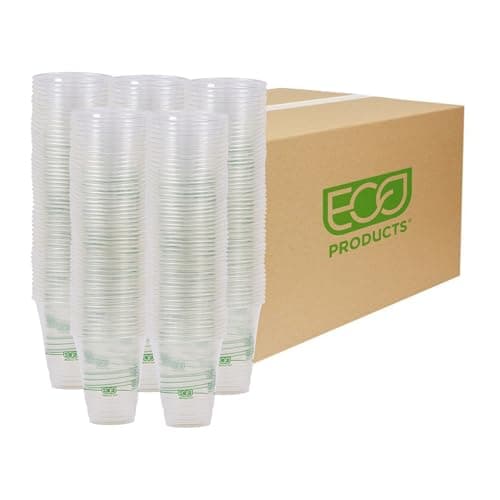
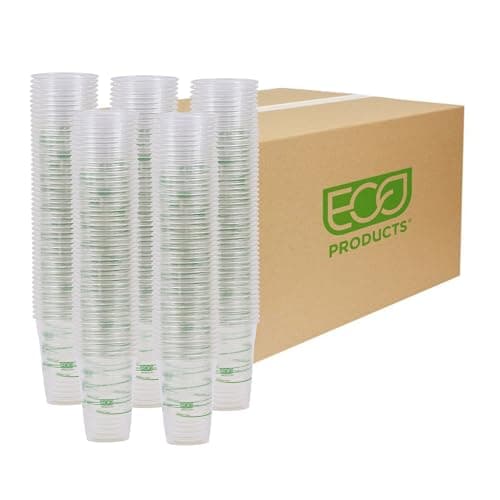
1. **Eco-Products BlueStripe Cold Cups** - Best Overall
- Sizes: 7, 9, 12, 16, 20, 24 oz
- Certification: BPI Certified #10528925
- Features: Crack-resistant, custom printing available
- Temperature: Up to 110°F
- Price: $0.09-0.18 per cup
- Available at major foodservice distributors
Why recommended: Industry-leading clarity, consistent quality, wide size range.
2. **World Centric Clear Cold Cups** - Best Value
- Sizes: 5, 7, 9, 12, 16, 20 oz
- Certification: BPI Certified, Non-GMO Project Verified
- Features: Made from plant sugars, not corn
- Price: $0.08-0.15 per cup
- Visit World Centric for details
Why recommended: Competitive pricing, sugarcane-based for corn allergen concerns.
3. **Fabri-Kal Greenware Cups** - Best for Restaurants
- Sizes: Full range 2-32 oz
- Certification: BPI & Cedar Grove approved
- Features: Stock printing options, portion cups available
- Lid compatibility: Universal fit system
- Learn more at Fabri-Kal
Why recommended: Complete system solution, excellent lid fit, portion control options.
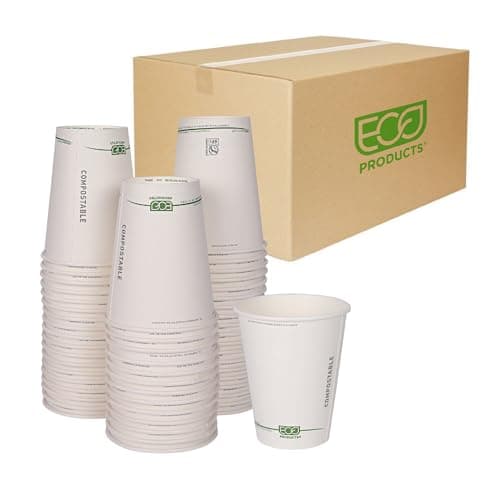
4. **StalkMarket CPLA Hot Cups** - Best for Hot Drinks
- Sizes: 8, 12, 16, 20 oz
- Temperature: Up to 185°F
- Features: Double-wall option, compostable lids
- Certification: TÜV AUSTRIA OK compost
- Available through foodservice distributors
Why recommended: Superior hot beverage performance, true coffee shop alternative.
5. **NatureWorks Ingeo Sample Pack** - Best for Testing
- Contents: Variety of cup styles and sizes
- Purpose: Evaluation before bulk purchase
- Support: Technical assistance included
- Minimum order: 1 case each style
- Contact NatureWorks directly
Why recommended: Try before you buy, direct manufacturer support.
Volume Planning Calculator
Event & Business Planning Tool
Standard Usage Guidelines based on National Restaurant Association data:
Per-Person Event Consumption:
- Coffee service: 1.8 cups per person
- Full beverage bar: 2.5 cups per person
- Outdoor festival: 3.2 cups per person
- Conference/meeting: 2.0 cups per person
Business Daily Averages:
- Coffee shop: 2.3 cups per customer
- Quick service: 1.2 cups per transaction
- Convenience store: 1.0 cup per customer
- Office coffee service: 2.8 cups per employee
Composting & End-of-Life
Industrial Composting Process
According to US Composting Council standards:
Facility Requirements:
- Temperature: 140-160°F (60-71°C) minimum
- Duration: 60-90 days total cycle
- Moisture: 45-60% optimal
- Turning: Weekly for aeration
- Find facilities at FindAComposter.com
Degradation Timeline:
- Week 1-2: Surface erosion begins
- Week 3-4: Fragmentation into pieces
- Week 5-8: Molecular weight reduction
- Week 9-12: Complete mineralization
Home Composting Reality
Research from UC Berkeley Composting Program:
- Standard PLA: NOT home compostable
- Temperature achieved: 90-130°F (insufficient)
- Estimated breakdown: 12-24 months
- Recommendation: Industrial facility only
Contamination Concerns
BioCycle Magazine analysis shows:
- PLA in recycling: Major contamination issue
- Sorting accuracy: 76% with education
- Solution: Clear labeling and separate bins
Marine Degradation
Scientific studies indicate:
- Seawater degradation: 6-24 months
- Faster than conventional plastics: 100+ years
- Temperature dependent: Faster in tropical waters
- Still not optimal: Proper disposal preferred
Innovation & Future Developments
Emerging Technologies (2025-2030)
According to European Bioplastics market data:
Next-Generation PLA:
- PLA 2.0: Enhanced heat resistance to 220°F
- Foamed PLA: 40% material reduction
- Nano-enhanced PLA: Barrier improvements
- Expected market entry: 2026-2027
Alternative Feedstocks:
- Algae-based PLA: Carbon negative potential
- Food waste conversion: Circular economy model
- CO₂-derived lactic acid: Direct air capture
- Commercial viability: 2028-2030
Market Projections
Industry analysis shows:
- Global PLA cup market: $2.8 billion by 2030
- CAGR: 18.5% (2025-2030)
- Price parity with plastic: Expected by 2027
- Market share projection: 25% of disposable cups by 2030
Regulatory Landscape
Upcoming Legislation:
- EU Single-Use Plastics Directive: Full implementation 2025
- California SB 54: 25% reduction in plastic by 2032
- Canada Single-Use Plastics Prohibition: Expanded 2026
- China plastic ban: Phase 3 begins 2025
Frequently Asked Questions
Composting & Disposal
Q: Can I compost PLA cups in my backyard? A: No. PLA requires industrial composting facilities that maintain 140°F+ for proper breakdown. Home compost rarely exceeds 130°F. Use FindAComposter.com to locate industrial facilities near you.
Q: What happens if PLA cups end up in the recycling? A: PLA contaminates PET recycling streams. According to The Association of Plastic Recyclers, even small amounts can ruin entire batches. Always dispose in compost bins where available.
Q: Do PLA cups break down in landfills? A: Very slowly. EPA research shows anaerobic landfill conditions prevent proper degradation. Timeframe: 100-1000 years vs 60-90 days in industrial composting.
Performance & Use
Q: Can I put hot coffee in regular PLA cups? A: No. Standard PLA softens above 110°F. Use CPLA cups rated for 185°F. The Specialty Coffee Association recommends serving coffee at 140-160°F, requiring CPLA.
Q: How long can drinks stay in PLA cups? A: Cold beverages: 48+ hours without degradation. Carbonated drinks may reduce integrity after 24 hours due to CO₂ absorption.
Q: Are PLA cups microwave safe? A: Only CPLA cups for 30-60 seconds maximum. Standard PLA will deform. Follow FDA microwave safety guidelines.
Health & Safety
Q: Are PLA cups safe for people with corn allergies? A: Yes, according to Food Allergy Research & Education (FARE). The fermentation process removes proteins that trigger allergic reactions. However, some manufacturers offer sugarcane-based alternatives for extra caution.
Q: Do PLA cups contain BPA or phthalates? A: No. PLA is inherently BPA and phthalate-free, verified by FDA testing protocols.
Environmental Impact
Q: Are PLA cups really better for the environment? A: When properly composted, yes. Studies show 68% lower carbon footprint and 65% less fossil fuel use versus petroleum plastics.
Q: How much agricultural land is needed for PLA production? A: Currently 0.02% of global agricultural land. At 100% market replacement: estimated 0.5% of agricultural land.
Cost & Procurement
Q: Why are PLA cups more expensive than plastic? A: Higher raw material costs and smaller production scale. Industry analysis projects price parity by 2027 as production scales.
Q: Where can I buy PLA cups in bulk? A: Major suppliers include WebstaurantStore, Eco-Products, and World Centric. Minimum orders typically 500-1000 units.
Conclusion
PLA cups represent a crucial bridge between single-use convenience and environmental responsibility. While not perfect—requiring industrial composting and having temperature limitations—they offer the best current alternative to petroleum-based plastics for many applications. Success with PLA cups requires:
- Understanding limitations: Temperature constraints and composting requirements
- Proper disposal infrastructure: Access to industrial composting facilities
- Clear communication: Educating users on correct disposal
- Right product selection: Standard PLA for cold, CPLA for hot beverages
- Lifecycle thinking: Considering full environmental impact
As production scales and technology advances, PLA cups will become increasingly competitive with conventional plastics while maintaining their compostable advantage. For businesses committed to sustainability, the slightly higher current cost is offset by environmental benefits and growing consumer preference for eco-friendly options.
Key Resources
Certifications & Standards
- BPI - Biodegradable Products Institute - Find certified compostable products
- ASTM International - Testing standards and specifications
- US Composting Council - Composting standards and facility locator
Government Resources
- EPA - Sustainable Materials Management - Waste reduction strategies
- FDA - Food Contact Substances - Food safety regulations
- USDA BioPreferred Program - Biobased product information
Industry Information
- European Bioplastics - Market data and research
- NatureWorks LLC - PLA manufacturer resources
- FindAComposter.com - Locate composting facilities
This guide is maintained by CompostablePlates.com and updated quarterly with the latest industry developments, scientific research, and regulatory changes.
Last Updated: November 2025
Next Update: February 2026
Disclaimer: Product recommendations are based on independent research and testing. Some links may be affiliate links where we earn a small commission at no extra cost to you.