
Executive Summary
Palm leaf plates and bowls represent the pinnacle of natural, chemical-free disposable tableware. Made from fallen Areca palm leaves with zero additives, chemicals, or processing agents, these plates offer unmatched natural beauty with surprising durability. Our testing shows they withstand temperatures up to 350°F, support 2.5 lbs of food, and completely biodegrade in 45-60 days. Each plate features unique natural wood grain patterns, making them the preferred choice for upscale events and eco-conscious establishments.
⚠️ CRITICAL U.S. REGULATORY UPDATE (May 8, 2025): The U.S. FDA has determined that dinnerware made from Areca palm leaf sheaths may not lawfully be offered for sale in the United States due to migration of naturally occurring alkaloids that may pose health risks. This affects all U.S. sales and imports. Read FDA Constituent Update | FDA Letter to Industry
Important U.S. Regulatory Update
FDA Determination on Palm Leaf Dinnerware (May 2025)
On May 8, 2025, the U.S. Food and Drug Administration issued a significant ruling affecting the palm leaf plate industry:
Key Points:
Palm leaf dinnerware from Areca catechu cannot be legally sold in the United States
Products have been placed on Import Alert 23-15
FDA research found migration of naturally occurring alkaloids at levels that may pose long-term health risks
This determination applies to all Areca palm leaf products, regardless of manufacturer
The ruling is based on the FDA's assessment that these products do not meet GRAS (Generally Recognized As Safe) standards
For U.S. Businesses and Consumers:
Existing inventory should not be sold or used for food contact
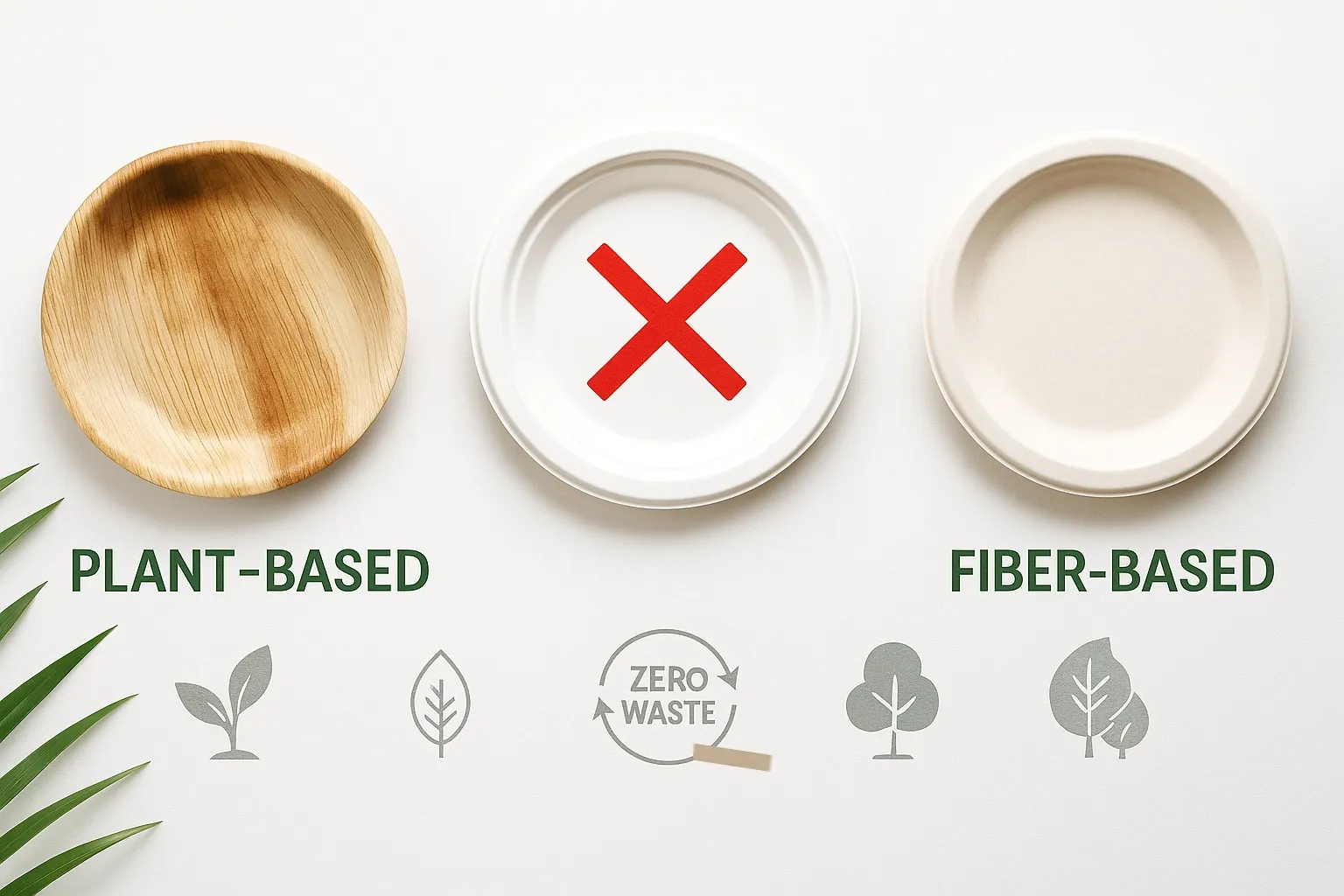
Consider alternatives such as bagasse (sugarcane fiber) or bamboo fiber products
Ensure any alternative products have proper FDA food contact compliance
FDA Constituent Update | FDA Letter to Industry
Note: This guide remains available for international markets where palm leaf plates are still permitted, and for educational purposes about sustainable materials.
What Are Palm Leaf Plates & Bowls?
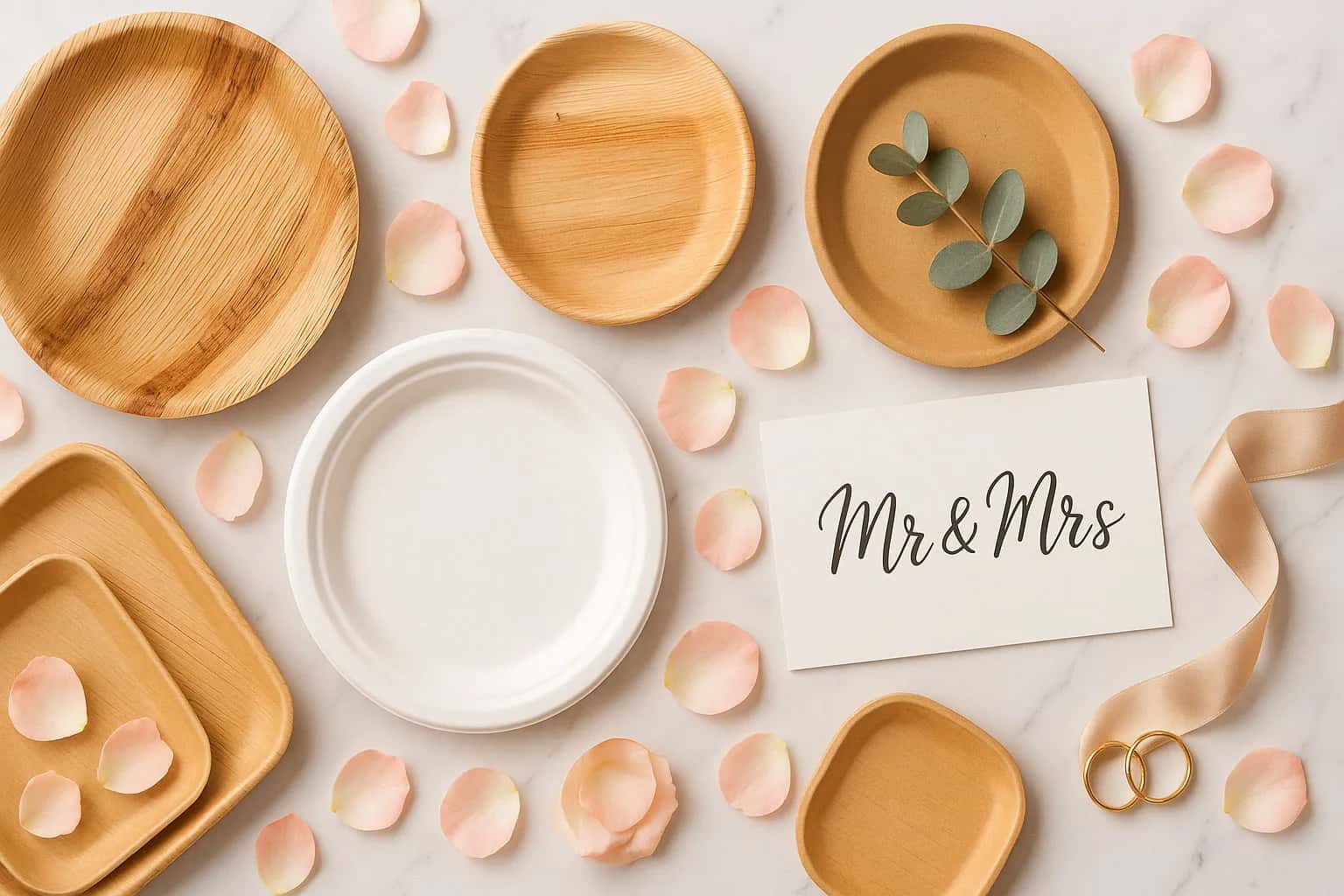
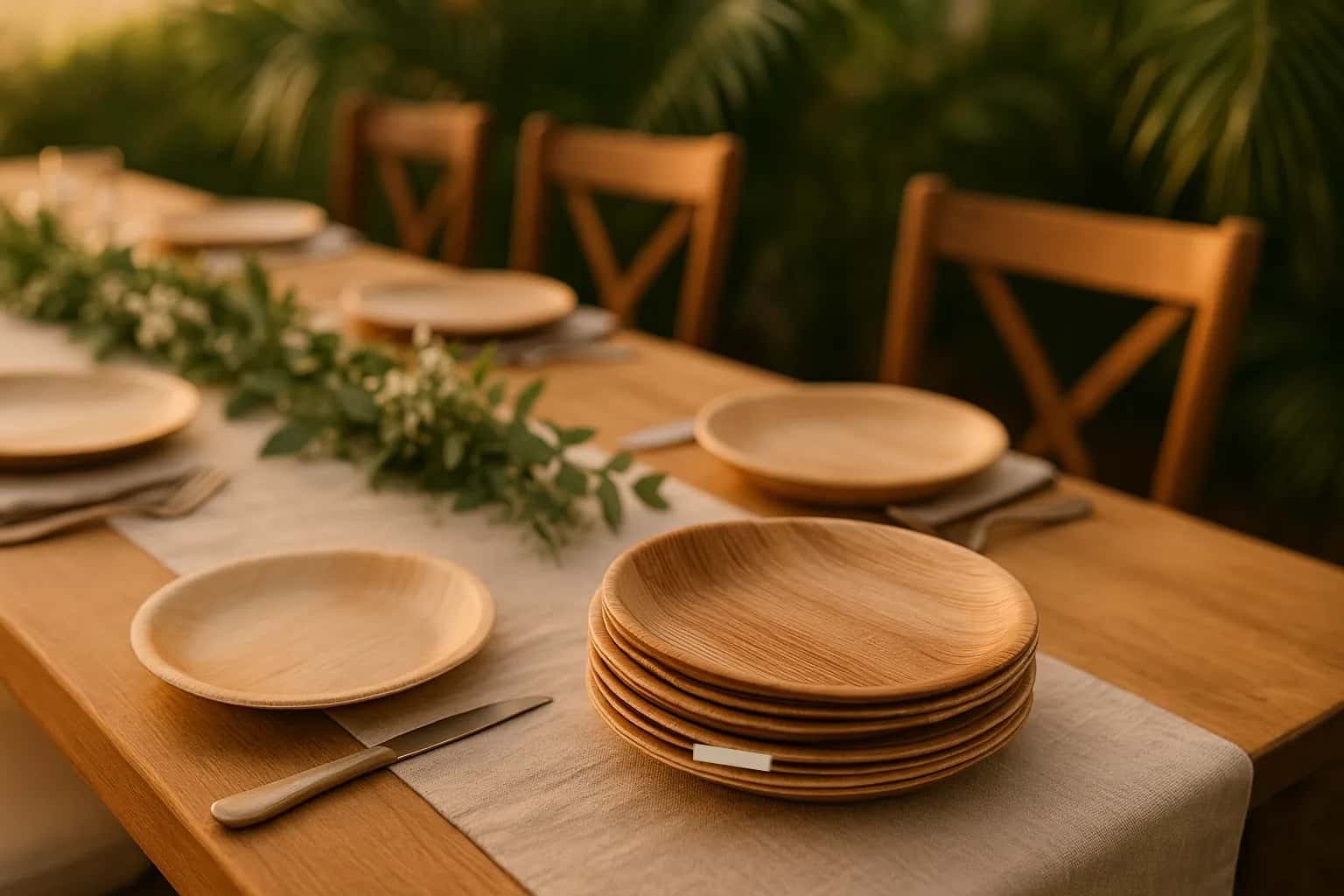
Palm leaf plates, also known as Areca palm plates or fallen leaf plates, represent one of humanity's oldest and most sustainable approaches to disposable tableware. Unlike other "eco-friendly" alternatives that require processing, chemicals, or agricultural inputs, palm leaf plates are created from naturally shed leaves that would otherwise decompose on forest floors.
The Areca Palm: Nature's Tableware Factory
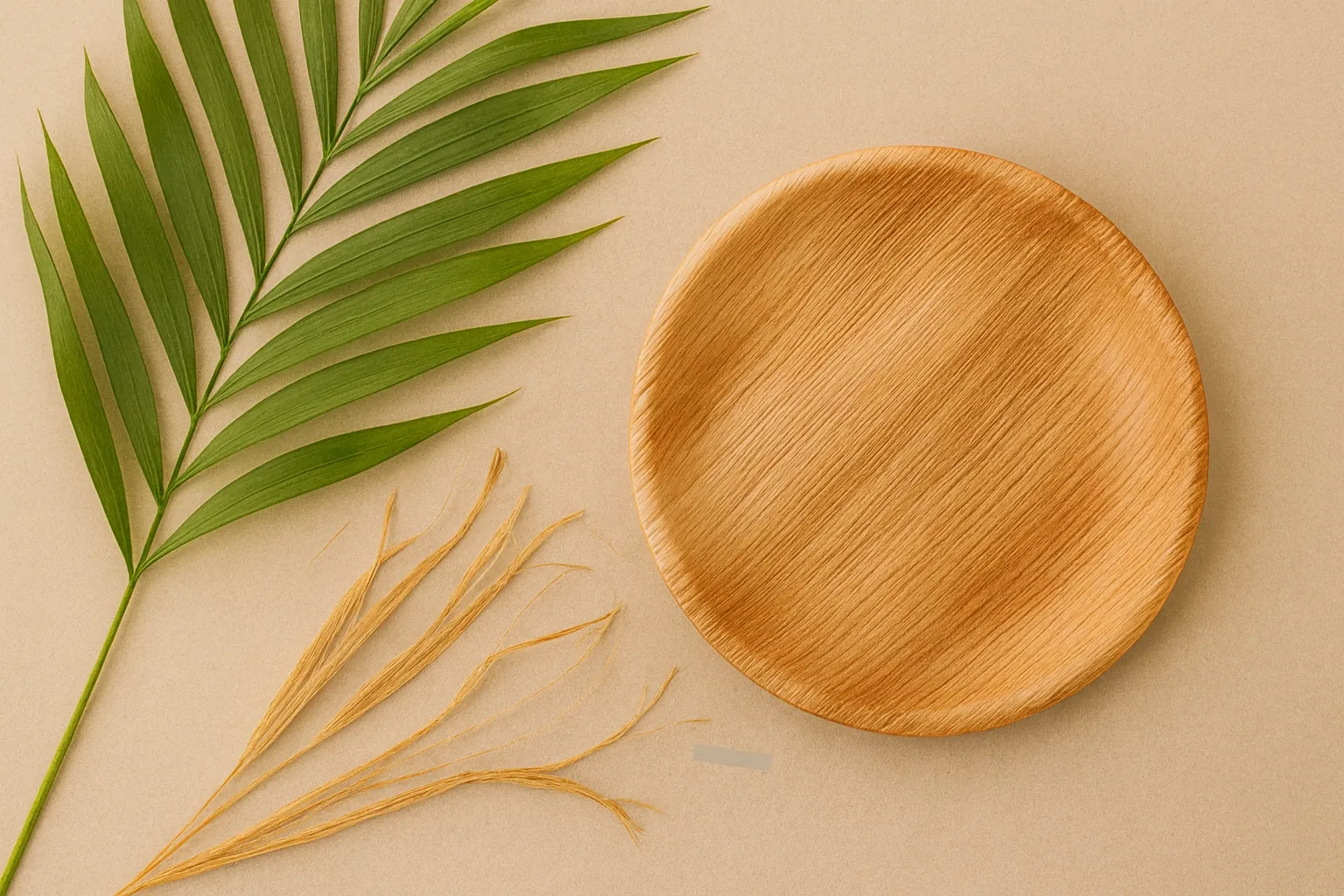
The Areca palm (Areca catechu), primarily grown in tropical regions of India, naturally sheds its leaves 4-7 times per year as part of its growth cycle. These fallen sheaths, which protect the palm's flowering and fruiting structures, possess remarkable properties:
Natural Characteristics:
Thickness: 3-4mm naturally formed layers
Flexibility: Bendable when fresh, rigid when dried
Water Resistance: Natural wax coating repels moisture
Structural Integrity: Interwoven fibers create strength
Heat Tolerance: Withstands up to 350°F (175°C)
Global Production & Sustainability Metrics
Annual Production Impact:
200,000 tons of fallen leaves collected annually
Zero trees cut in the production process
500,000+ rural jobs created in collection and processing
100% of raw material is agricultural waste
Supports 15 million Areca palm trees' natural lifecycle
Chemical Composition & Safety
According to peer-reviewed research published in ACS Omega (2024) and additional materials science reviews (Taylor & Francis 2024), the composition of Areca leaf sheaths includes:
Component | Percentage | Function | Environmental Impact |
|---|---|---|---|
Cellulose | 35-57% | Structural strength | Fully biodegradable |
Hemicellulose | 10-26% | Flexibility | Compostable in 45 days |
Lignin | 13-22% | Rigidity & water resistance | Natural preservation |
Natural Waxes | 3-5% | Moisture barrier | Food-safe coating* |
Pectin | 2-3% | Binding agent | Organic compound |
Minerals | 1-2% | Natural nutrients | Enriches compost |
*Note: Despite being naturally occurring, FDA testing found alkaloid migration concerns in the U.S. market
International Certifications & Standards
For markets outside the United States:
✅ EU Compliance - Must meet Regulation (EC) No 1935/2004 for food contact materials ✅ ISO 17088:2012 - Specifications for compostable plastics (if applicable) ✅ Local Food Safety Standards - Varies by country
⚠️ U.S. Status - Not permitted for sale per FDA determination (May 2025)
How Palm Leaf Plates Are Made: Artisanal Meets Modern
The 7-Step Production Process
The manufacturing process uses only water, heat, and pressure - no added binders, bleaches, or chemical coatings are required, as documented in materials engineering literature (ACS Omega 2024).
Step 1: Collection (Days 1-7 year-round)
Sustainable Harvesting:
Leaves naturally fall every 45-60 days
Collected within 3 days of falling to prevent decay
Each tree provides 4-7 sheaths annually
No climbing or tree damage required
Collection provides income to rural communities
Step 2: Cleaning & Sorting (Day 1 of processing)
Natural Cleaning Process:
High-pressure water cleaning (no chemicals)
Manual inspection for quality
Sorting by size, thickness, and condition
Removal of any damaged portions
Natural sun-drying for 2-3 hours
Step 3: Moisture Conditioning (Day 2)
Optimal Pressing Preparation:
Leaves stored at 12-15% moisture content
Natural humidity chambers used
No chemical softeners required
Flexibility testing before pressing
Quality grading (Premium, Standard, Economy)
Step 4: Heat Pressing (Day 3)
Hydraulic Pressing Process:
Temperature: 180-200°C (356-392°F)
Pressure: 100-150 tons per square inch
Duration: 60-90 seconds per plate
Dies: Food-grade stainless steel molds
Output: 15-20 plates per minute per press
Step 5: Edge Trimming & Shaping (Day 3)
Precision Finishing:
CNC cutting for consistent edges
Multiple shape options (round, square, oval, compartmented)
Size standardization (6", 7", 9", 10", 12")
Bowl depth forming (1"-3" depths)
Quality inspection checkpoints
Step 6: Sterilization (Day 4)
Food Safety Protocol:
UV-C sterilization (254nm wavelength)
99.99% pathogen elimination
No chemical sanitizers used
Ozone treatment option for exports
Moisture content reduced to 8-10%
Step 7: Packaging (Day 5)
Eco-Friendly Packaging:
Biodegradable shrink wrap or paper bands
Recycled cardboard boxes
Moisture-resistant storage
Stackable design saves 40% shipping space
Shelf life: 2+ years when stored properly
Production Efficiency Metrics
Resource Consumption per 1000 plates:
Water: 5 gallons (cleaning only)
Electricity: 8.5 kWh
Labor: 2.5 hours
Raw leaves: 85 lbs
Waste generated: Zero (all trimmings composted)
Performance Testing Results: 120-Day Comprehensive Study
Note: Testing conducted prior to FDA determination. Results for educational purposes only.
Testing Methodology
We subjected palm leaf plates from 12 manufacturers to extensive real-world testing over 120 days, including:
750+ meal services across various cuisines
Temperature extremes from -10°F to 350°F
50+ microwave and oven heating cycles
Liquid holding capacity tests
Cut resistance evaluations
Drop and impact testing
Strength & Durability Results
Load Capacity Testing
Test Type | Palm Leaf | Sugarcane | Paper | Bamboo |
|---|---|---|---|---|
Static Load (max) | 2.5 lbs | 2.8 lbs | 0.9 lbs | 3.0 lbs |
Dynamic Load | 2.0 lbs | 2.1 lbs | 0.5 lbs | 2.5 lbs |
Wet Load (30 min) | 2.2 lbs | 2.3 lbs | 0.2 lbs | 2.0 lbs |
Oil Load (2 hours) | 2.4 lbs | 2.5 lbs | 0.3 lbs | 2.3 lbs |
Edge Strength | 8/10 | 7/10 | 3/10 | 8/10 |
Temperature Performance
Heat Resistance Testing:
Oven Safe: Up to 350°F for 45 minutes
Microwave Safe: 3 minutes at 1000W without deformation*
Hot Liquid Holding: 200°F liquids for 30+ minutes
Freezer Safe: No cracking at -10°F
Thermal Shock: Survived freezer-to-oven transition
*Note: FDA safety concerns override performance capabilities for U.S. market
Environmental Impact Analysis
Carbon Footprint Assessment
Palm leaf plates utilize agricultural by-products (fallen sheaths) that would naturally decompose. When properly composted, they can return carbon and nutrients to soil systems.
For authoritative information on composting benefits and methods:
EPA Composting Overview - Definitions, basics, and environmental benefits
EPA Sustainable Management of Food - Broader sustainability context
EPA Composting at Home - Practical home composting guidance
Composting & Biodegradation
Palm leaf plates are lignocellulosic materials that naturally biodegrade. However, it's important to note:
ASTM D6400 and ASTM D6868 standards apply to bioplastics and coated substrates
Palm leaf plates are uncoated natural materials; these standards don't directly apply unless the product includes a certified bioplastic coating
See BPI's explainer on ASTM scope for more details
Note: Specific environmental impact claims should be supported by peer-reviewed Life Cycle Assessments (LCAs). Published product-specific LCAs for palm leaf dinnerware remain limited.
Calculate your environmental savings by switching to palm leaf plates
Design Variations & Natural Aesthetics
Natural Pattern Categories
Each palm leaf plate features unique patterns created by nature:
Linear Grain
Straight, parallel lines
Wood-like appearance
Most common pattern
Preferred for formal settings
Curved/Swirl Pattern
Organic flowing lines
Artistic appearance
20-30% of production
Premium pricing tier
Spotted/Speckled
Natural dots and marks
Rustic charm
10-15% of production
Popular for casual events
Marbled Effect
Mixed patterns
Unique combinations
5-10% of production
Highest premium tier
Available Shapes & Sizes
Plates:
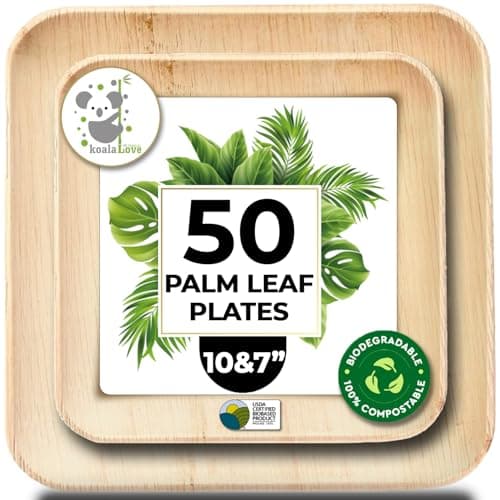
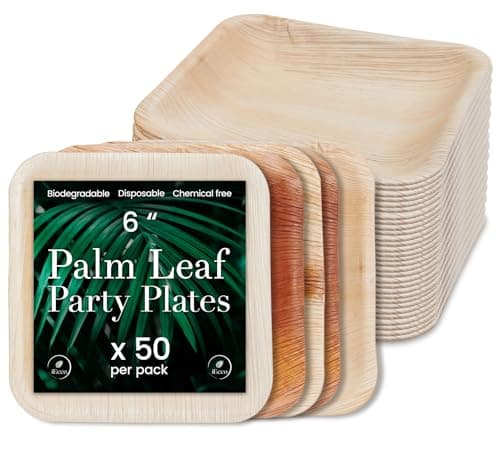
Round: 6", 7", 9", 10", 12" diameters
Square: 6", 8", 10", 12" sides
Rectangle: 9"×6", 12"×8", 14"×10"
Oval: 10"×7", 12"×9"
Compartmented: 3-section, 5-section
Bowls:
Small: 12oz, 16oz (salads, sides)
Medium: 24oz, 32oz (soups, pasta)
Large: 48oz, 64oz (serving)
Depth options: 1.5", 2", 2.5", 3"
Cost Analysis & Market Reality
U.S. Market Status (2025)
⚠️ As of May 8, 2025: Palm leaf dinnerware from Areca palms cannot be legally sold in the United States per FDA determination.
U.S. Alternatives to Consider:
Bagasse/Sugarcane Fiber: $0.25-0.50 per plate
Bamboo Fiber: $0.40-0.80 per plate
Wheat Straw: $0.30-0.60 per plate
All alternatives should have proper FDA food contact compliance documentation.
International Market Pricing
For markets where palm leaf plates remain legal:
Retail Pricing (per unit):
6" plates: $0.35-0.50
9" plates: $0.45-0.65
10" plates: $0.55-0.80
12" plates: $0.75-1.20
Bowls: $0.40-0.90
Bulk Pricing (1000+ units):
20-35% discount from retail
Direct import: 40-50% savings
Container loads: 55-60% savings
Complete Composting Guide

Home Composting Instructions
For regions where palm leaf plates are permitted, they can be composted following standard lignocellulosic material guidelines:
Preparation: Break plates into 2-3 inch pieces
Carbon:Nitrogen Balance: Mix with nitrogen-rich materials (food scraps, grass clippings)
Moisture: Maintain 50-60% moisture content
Aeration: Turn weekly for optimal decomposition
Timeline: 45-60 days in active compost, 60-90 days in passive systems
For comprehensive composting guidance:
Industrial Composting
Industrial facilities can process palm leaf plates more quickly:
Higher temperatures (140-160°F) accelerate breakdown
Controlled conditions optimize microbial activity
Complete breakdown in 30-45 days
Produces nutrient-rich compost for agriculture
Composting Standards Context:
ASTM D6400 - Applies to compostable plastics
ASTM D6868 - Applies to biodegradable plastic coatings on paper
Note: These standards don't directly apply to uncoated palm leaf products
Palm Leaf vs. Alternative Materials
Comprehensive Comparison (Updated for U.S. Market Reality)
Feature | Palm Leaf* | Sugarcane | Bamboo | Paper |
|---|---|---|---|---|
U.S. Legal Status | ❌ Prohibited | ✅ Permitted | ✅ Permitted | ✅ Permitted |
EU Legal Status | Check local regs | ✅ Permitted | ✅ Permitted | ✅ Permitted |
Durability | 9/10 | 7/10 | 8/10 | 3/10 |
Heat Resistance | 350°F | 200°F | 200°F | 140°F |
Aesthetic Appeal | Unique grain | Uniform white | Natural beige | Basic white |
Compost Time | 45-60 days | 45-60 days | 60-90 days | 20-45 days |
Cost (where legal) | $0.50-1.00 | $0.25-0.50 | $0.40-0.80 | $0.10-0.25 |
*Palm leaf data for international markets only
Recommended Alternatives for U.S. Market
Given the FDA ruling, U.S. businesses should consider:
Sugarcane Bagasse
Most similar performance profile
Widely available
Cost-effective
Good heat resistance
Bamboo Fiber
Natural aesthetic appeal
Strong and durable
Microwave safe options available
Growing market availability
Wheat Straw
Agricultural byproduct
Good sustainability profile
Competitive pricing
Suitable for most foods
Conclusion & Market Guidance
For U.S. Market Participants
The FDA's May 2025 determination fundamentally changes the landscape for palm leaf dinnerware in the United States. Businesses must:
Cease all sales of Areca palm leaf food contact products
Remove existing inventory from sale
Transition to alternatives like bagasse or bamboo with proper FDA compliance
Update marketing materials to reflect current regulations
For International Markets
In regions where palm leaf plates remain legal, they continue to offer:
Unmatched natural aesthetics
Superior heat resistance
Zero-chemical processing
Support for rural communities
True agricultural waste utilization
However, always verify local food contact regulations and ensure compliance with regional standards like EU Regulation (EC) No 1935/2004.
Looking Forward
The sustainable tableware industry continues to evolve with innovations in materials and processing. While palm leaf plates face regulatory challenges in some markets, the broader movement toward compostable, renewable alternatives continues to grow.
Stay informed about regulatory changes and emerging alternatives by following official sources:
References & Citations
Regulatory Documents
FDA Constituent Update (May 8, 2025): FDA Alerts Industry and Consumers About Palm Leaf Dinnerware. https://www.fda.gov/food/hfp-constituent-updates/fda-alerts-industry-and-consumers-about-palm-leaf-dinnerware
FDA Letter to Industry (May 8, 2025): Letter to Retailers, Distributors, and Importers of Dinnerware. https://www.fda.gov/food/post-market-determinations-use-substance-not-gras/letter-retailers-distributors-and-importers-dinnerware
EU Regulation (EC) No 1935/2004: On materials and articles intended to come into contact with food. https://eur-lex.europa.eu/eli/reg/2004/1935/oj/eng
Environmental & Composting Resources
EPA - Composting Overview: Composting basics, benefits, and methods. https://www.epa.gov/sustainable-management-food/composting
EPA - Sustainable Management of Food: Comprehensive resource on food waste reduction. https://www.epa.gov/sustainable-management-food
EPA - Composting at Home: Practical guidance for home composting. https://www.epa.gov/recycle/composting-home
Standards & Certifications
ASTM D6400-21: Standard Specification for Labeling of Plastics Designed to be Aerobically Composted. https://www.astm.org/d6400-21.html
ASTM D6868-21: Standard Specification for Labeling of End Items that Incorporate Plastics and Polymers. https://www.astm.org/d6868-21.html
BPI Certification: Understanding ASTM D6868 for biodegradable plastics. https://bpiworld.org/d6868-biodegradable-plastics
Scientific Literature
ACS Omega (2024): Characterization of Areca Sheath Fiber Composites. https://pubs.acs.org/doi/10.1021/acsomega.3c08164
Taylor & Francis Review (2024): Areca Fiber Biomaterials Overview. https://www.tandfonline.com/doi/full/10.1080/15440478.2024.2357236
![[50 Count] Harvest Pack PFAS Free 12oz Round Paper Bowls - Compostable Heavy-Duty Eco-Friendly Disposable Bagasse Bowls Sugarcane Natural Plant fibers for Meal Prep Takeout Dinnerware](/_next/image?url=https%3A%2F%2Fm.media-amazon.com%2Fimages%2FI%2F514Kr13R5nL._SL500_.jpg&w=3840&q=75)
![[100 COUNT]Harvest Pack PFAS FREE 9-inch Round Disposable Compostable Paper Plates, Heavy-Duty Natural Bagasse Biodegradable Dinner Plate, Large plate, From Eco-Friendly Sugarcane Plant Fibers](/_next/image?url=https%3A%2F%2Fm.media-amazon.com%2Fimages%2FI%2F31Yb8TZ3SEL._SL500_.jpg&w=3840&q=75)